

Economist and planning minister · 1917–2001
Roberto Campos Political views on the 12 axes
An economist and diplomat who designed key institutions of Brazil's economy in the 1960s and became the country's best-known advocate of free markets.
Read more on WikipediaAbout Roberto Campos
Roberto Campos (1917–2001) was a Brazilian economist, diplomat and politician. He attended the 1944 Bretton Woods conference, helped found the national development bank BNDE in 1952 and, as planning minister from 1964 to 1967 under the military government, led reforms that created the Central Bank and the FGTS severance fund. He later served as senator and federal deputy and became Brazil's leading voice for free markets and privatisation, as set out in his memoir 'A Lanterna na Popa' (1994). Supporters credit him with modernising Brazil's economic institutions; critics fault his service to military rule and his pro-American outlook.
Where Roberto Campos stands
Our estimate from their writing and record. Axes they took no clear view on are left out.
Centrist
Served as a minister of the military government after 1964, but later won elections as senator and deputy, so he lands near the middle.
Centrist
Served the military government but argued above all for economic freedom, which leaves him close to the middle.
Cooperation
A diplomat at Bretton Woods and ambassador in Washington and London, he favoured close ties with the West; nationalists nicknamed him 'Bob Fields'.
Globalist
Argued for foreign investment and lower trade barriers throughout his career, a strong stance toward Globalist.
Capitalist
Spent decades arguing that markets, not state redistribution, would end Brazilian poverty, a strong stance toward Markets.
Free Market
Began as a development planner at BNDE but later fought for privatisation and deregulation, ending clearly on the Laissez-Faire side.
Moderate
A former seminarian who argued about economics in secular terms and kept religion out of policy, so he leans slightly Secular.
Moderate
Liberal on the economy but cautious on cultural change, he took no strong side in social debates and sits near the middle.
Technological
Attacked the 1984 Informatics Law's market reserve for computers, arguing it held back Brazil's access to modern technology.
Close in thought






Famous political figures from Brazil
Brazil on the 12 axes →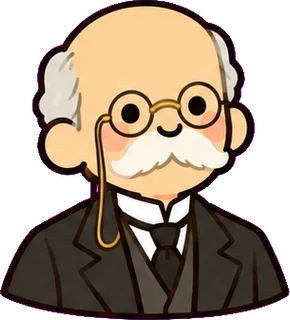





Ideologies closest to Roberto Campos
Compared on economy, power, diplomacy and culture, the four axes every ideology is defined on.
Questions, answered
What are Roberto Campos's political views on the 12 axes?
An economist and diplomat who designed key institutions of Brazil's economy in the 1960s and became the country's best-known advocate of free markets. Where Roberto Campos took a clear view. Representation: Centrist; Power: Centrist; Diplomacy: Cooperation; Trade: Globalist; Economy: Capitalist; Control: Free Market; Religion: Moderate; Culture: Moderate; Technology: Technological.
Which ideology is closest to Roberto Campos?
Classical Liberalism (86% match), then Neoliberalism (76% match). Compared on economy, power, diplomacy and culture.
How are Roberto Campos's positions estimated?
They are our editorial estimates from Roberto Campos's writing and record, from 0 to 100 on each axis. Axes they took no clear view on are left out.
How close are my views to Roberto Campos's?
Take the free 12 Axes test. Your result names the famous political figures closest to you, each with a match percentage.
How close are you to Roberto Campos?
Take the test and see which famous political figures think most like you.
Take the 12 Axes testWhat it measures and how to start: political test